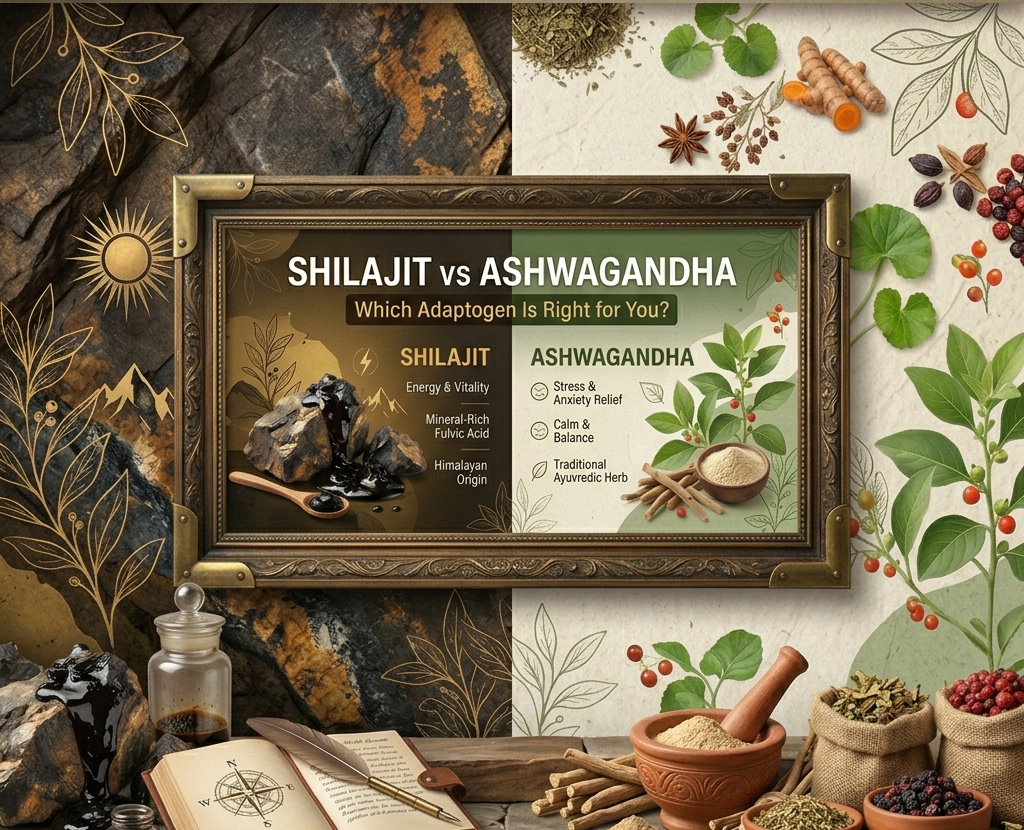
A patient walked into my office last year holding a jar of dark, tar-like resin and asked me, “Is this stuff actually worth taking, or is it just another TikTok trend?” It’s a fair question. Shilajit has gone from an obscure Ayurvedic remedy to one of the most searched supplements online. The truth? There’s real …

A patient walked into my office last year holding a jar of dark, tar-like resin and asked me, “Is this stuff actually worth taking, or is it just another TikTok trend?” It’s a fair question. Shilajit has gone from an obscure Ayurvedic remedy to one of the most searched supplements online. The truth? There’s real science behind it but also real risks if you choose the wrong product. Here’s what I tell my patients.
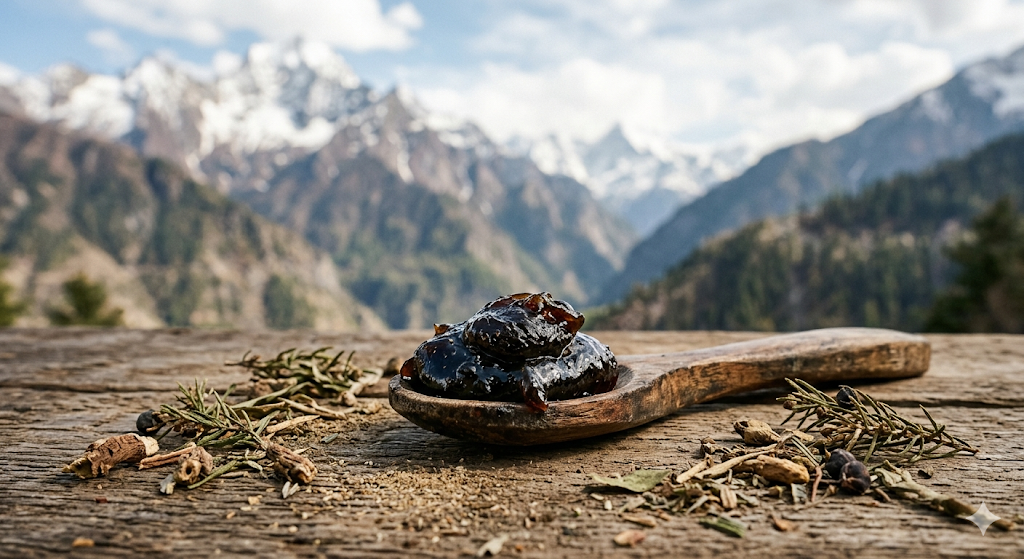
What Is Shilajit?
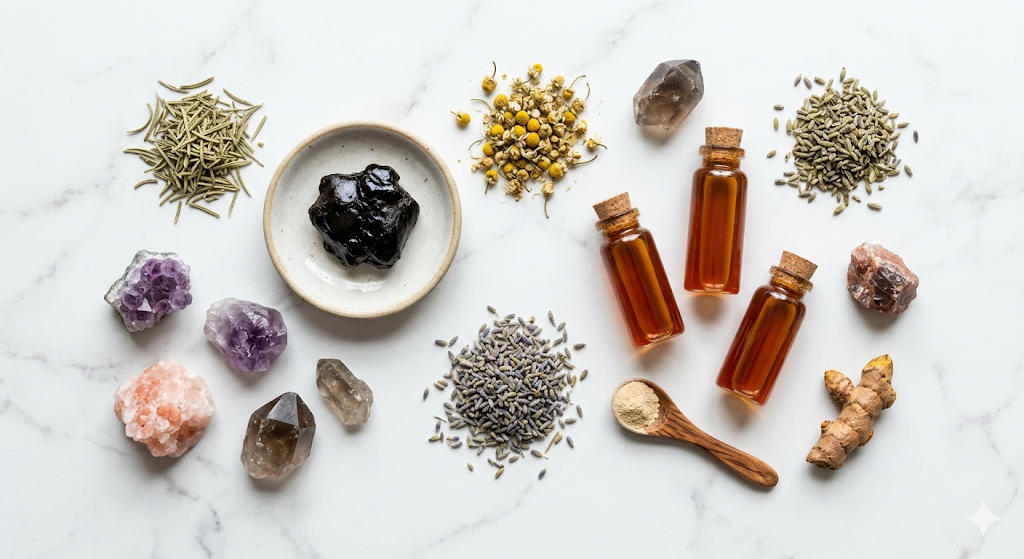
Shilajit is a dark, sticky resin that seeps from high-altitude rock formations in the Himalayas, Altai, and Andes mountains. It forms over centuries from the slow decomposition of plant matter, compressed under geological pressure. The result is a substance packed with over 80 trace minerals and a powerful compound called fulvic acid which acts as both an antioxidant and a mineral transporter in your body.
In Ayurvedic medicine, it’s been used for over 3,000 years as a “rasayana” (rejuvenator). Modern science is catching up. We now have roughly 20 peer-reviewed studies examining its effects on testosterone, bone density, cognition, collagen, and energy though I’ll be honest, most are small in scale.
1. Supports Healthy Testosterone Levels in Men
This is the headline benefit most men are looking for, and the evidence here is the strongest. A 2016 randomised, double-blind trial published in Andrologia studied 75 healthy men aged 45-55. After 90 days of purified Shilajit (250 mg twice daily), total testosterone increased by about 20% and free testosterone by 19%, both statistically significant versus placebo.
What I tell my patients: this isn’t a testosterone replacement. It’s a nudge, a meaningful one for men with age-related decline, but don’t expect it to match medical TRT. If your levels are clinically low, see an endocrinologist first.
2. May Improve Male Fertility
A 2010 study in the same journal followed 28 men with low sperm counts. After 90 days of processed Shilajit (100 mg twice daily), total sperm count increased by 61%, motility improved by 12-17%, and testosterone rose by 23%. Four participants conceived naturally during the study.
In my practice, I’ve had couples add Shilajit alongside conventional fertility approaches. It’s not a magic bullet, but the mechanism makes sense: fulvic acid’s antioxidant action may help protect sperm from oxidative damage.
3. Supports Muscle Strength and Recovery
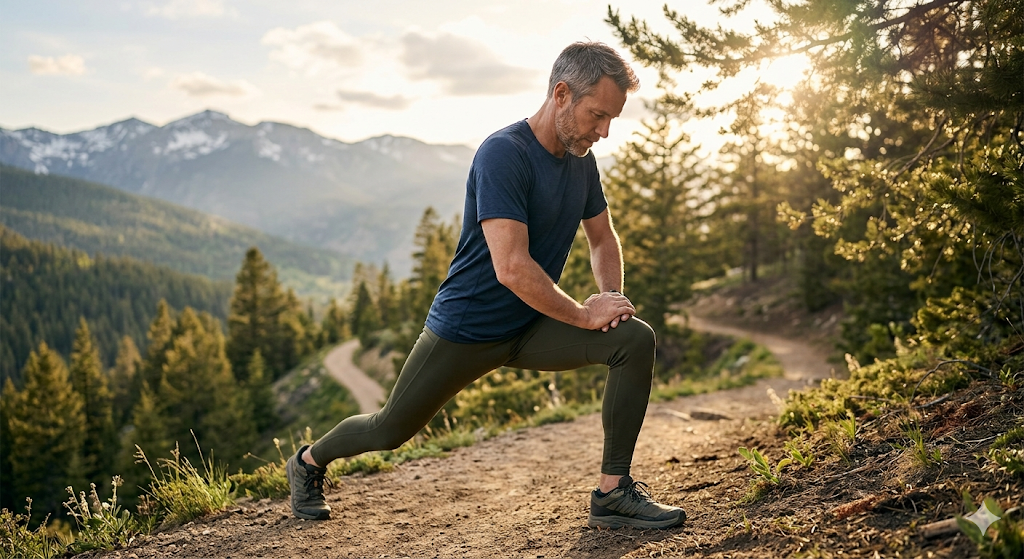
A 2019 double-blind trial published in the Journal of the International Society of Sports Nutrition gave 63 recreationally active men 500 mg of Shilajit daily. After fatiguing exercise, the Shilajit group retained significantly more muscular strength; their decline was roughly half that of the placebo group. Hydroxyproline (a marker of collagen breakdown) was also lower, suggesting connective tissue protection.
Separately, a 2016 transcriptomic study found that Shilajit activated genes involved in muscle repair, elasticity, and extracellular matrix maintenance including collagen and elastin pathways. This is encouraging for anyone focused on long-term muscle health, not just peak performance.
4. May Support Collagen Production
A 2024 randomised trial found that 500 mg/day of Shilajit for 8 weeks increased a key collagen biomarker (Pro-C1α1) significantly compared to placebo. At the higher dose of 1000 mg/day, levels roughly tripled from baseline. This matters for both men and women collagen is the structural protein behind healthy skin, joints, and connective tissue.
5. Supports Bone Density in Postmenopausal Women
This is the study I reference most when women ask me about Shilajit. A 2022 randomised, double-blind, placebo-controlled trial followed 60 postmenopausal women with osteopenia for 48 weeks. Shilajit at 250-500 mg daily preserved bone mineral density at both the lumbar spine and femoral neck, while the placebo group’s density progressively declined.
Bone turnover markers, oxidative stress, and inflammation all improved significantly. In my view, this is the strongest evidence for Shilajit in any women-specific condition. It doesn’t replace medical treatment for osteoporosis, but it may be a valuable addition for women looking to support their bones naturally.

6. May Benefit Women’s Skin Health
A placebo-controlled trial of approximately 40 middle-aged women found that Shilajit (125-250 mg twice daily for 14 weeks) improved skin microperfusion and activated genes related to blood vessel formation, collagen production, and extracellular matrix maintenance. The study used actual skin biopsies and RNA sequencing, not just self-reported outcomes.
I find this particularly interesting because most “skin supplements” rely on weak evidence. Here, we have gene-level data showing real changes in skin tissue.
7. Supports Energy and Reduces Fatigue
Shilajit’s fulvic acid and dibenzo-α-pyrones work as electron carriers in the mitochondrial chain, enhancing ATP production which is how your cells create energy. A preclinical study showed Shilajit reversed chronic fatigue symptoms by stabilising mitochondrial enzyme activity and modulating the stress-response (HPA) axis.
In my practice, patients of both genders who take Shilajit consistently for 4-6 weeks often report improved sustained energy, not a caffeine-like spike, but a steady baseline improvement. We still need large human trials specifically on fatigue, but the mechanism is solid.
8. May Support Brain Health and Cognitive Function
Research published in the International Journal of Alzheimer’s Disease found that fulvic acid from Shilajit can inhibit the aggregation of tau protein, one of the hallmarks of Alzheimer’s. A Phase II clinical trial using a Shilajit-based formulation with B vitamins showed improved cognitive scores in patients with mild-to-moderate Alzheimer’s over 24 weeks, though effects can’t be attributed to Shilajit alone.
I wouldn’t recommend Shilajit specifically for cognitive decline, but the neuroprotective potential of fulvic acid is worth watching as more research develops.
Who Should (and Shouldn’t) Use Shilajit
Best suited for: Men over 35 looking to support testosterone and energy naturally. Postmenopausal women are concerned about bone density. Active adults want to support muscle recovery and collagen. Anyone looking for a broad-spectrum mineral and adaptogenic supplement.
Who should avoid it: Pregnant or breastfeeding women (a case report documented hypertension linked to Shilajit during pregnancy). People with hemochromatosis, sickle cell anaemia, or thalassemia. Anyone on blood thinners, diabetes medications, or immunosuppressants, Shilajit may interact with these. People with active kidney or liver disease.
As with any supplement, I always recommend talking to your healthcare provider before starting, especially if you’re on medication.
How to Choose a Quality Shilajit Product
This is where most people go wrong. Raw, unprocessed Shilajit can contain heavy metals, mycotoxins, and microbial contaminants. A 2025 study found thallium a toxic heavy metal in several commercial Shilajit supplements at concerning levels.
Here’s what to look for: resin form (the gold standard least processed, full spectrum of bioactives). Third-party lab testing with a batch-specific Certificate of Analysis showing heavy metal levels below WHO limits. Fulvic acid content listed clearly natural resin typically contains 15–20%; claims above 70% suggest synthetic adulteration. ISO, GMP, or HACCP certification on the manufacturing facility. Avoid products with fillers, flow agents, or added sugars.
My Top Recommendation
When patients ask me what I personally recommend, I point them toward Mendu Herbs Pure Himalayan Shilajit Resin. After reviewing dozens of brands, it’s the one I keep coming back to for a few specific reasons: it’s 100% pure resin with no fillers, it’s third-party lab tested through Eurofins (one of the most respected testing labs globally), and their manufacturing is ISO 22000, GMP, and HACCP certified. They also carry a 4.7 out of 5 rating on Trustpilot, which tells me the quality is consistent.
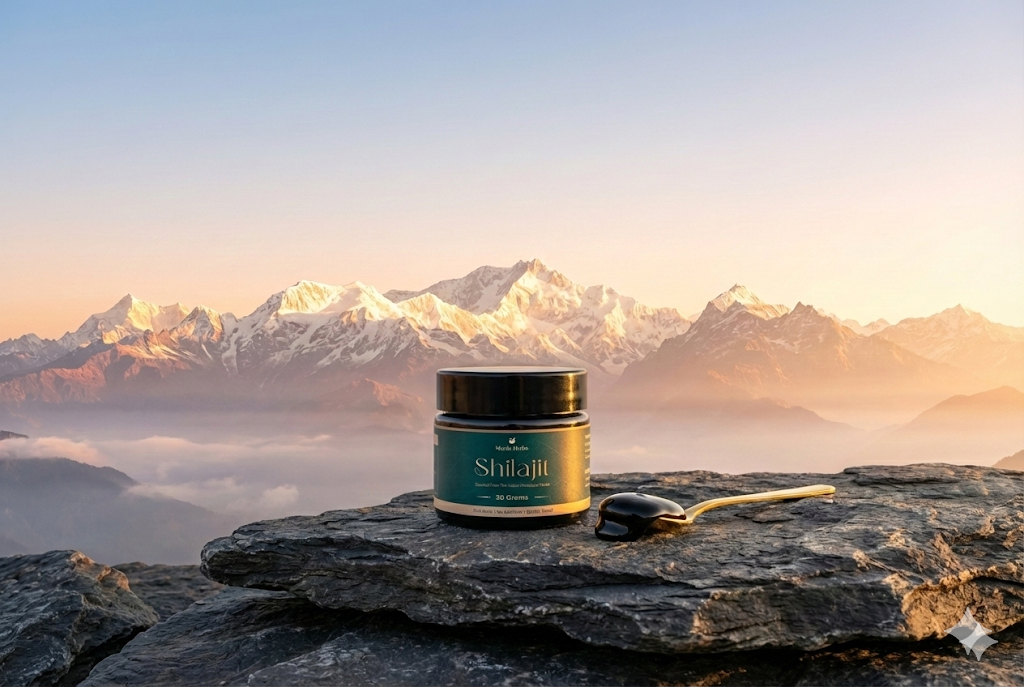
They offer 30g and 50g jars, plus KSM-66 Ashwagandha and Curcuma C3 Complex if you’re building a broader adaptogen stack. You can find them at menduherbs.com.
Disclosure: I have no partnership, sponsorship, or financial relationship with Mendu Herbs. This is simply the brand I’d recommend to a friend based on quality and transparency.
Key Takeaways
- Shilajit has genuine clinical evidence for testosterone support in men (20% increase in a 75-person RCT) and bone density preservation in postmenopausal women (48-week trial).
- Collagen synthesis, muscle recovery, and skin health are supported by smaller but promising trials in both men and women.
- Quality matters enormously and always choose purified, lab-tested resin from a certified manufacturer. Heavy metal contamination is a real risk in cheap products.
- Start at 200-300 mg/day and allow 8-12 weeks to assess meaningful effects. Bone density benefits may take 6-12 months.
- Shilajit is not a replacement for medical treatment. It’s a complementary tool that works best as part of a broader health strategy.
Frequently Asked Questions
Can I take Shilajit every day?
Yes, most clinical trials used daily dosing for 8 to 48 weeks without safety issues at 200-500 mg per day. Research suggests it’s possibly safe at these doses for extended periods, though I’d recommend periodic check-ins with your doctor, especially if you’re taking other supplements or medications.
Is Shilajit safe for women?
Absolutely, and the evidence for women is growing. The strongest data is for bone density support in postmenopausal women, with additional research on skin health and sexual function. The main exception is during pregnancy and breastfeeding, where it should be avoided due to insufficient safety data and one concerning case report.
How long does Shilajit take to work?
Most patients I work with notice energy improvements within 2-4 weeks. Hormonal changes (testosterone, fertility markers) typically require 8-12 weeks of consistent use, which aligns with clinical trial timelines. Bone density effects take much longer; the key study measured results at 24 and 48 weeks.
What’s the difference between Shilajit resin, powder, and capsules?
Resin is the least processed form and retains the full spectrum of bioactive compounds. It’s what I recommend. Powder is more versatile but may lose some compounds during processing. Capsules are convenient but can lose up to 30% bioactivity from the spray-drying process. Gummies are the least effective option due to added sugars and minimal active content.
Does Shilajit interact with medications?
It can. Shilajit may enhance the effects of blood thinners, lower blood sugar when combined with diabetes medication, and modulate the immune system in ways that could interfere with immunosuppressants. It also increases iron absorption, which matters if you’re on iron supplements. Always discuss with your prescribing doctor before combining.
What are the side effects of Shilajit?
At standard doses, side effects are uncommon. Some people experience mild digestive discomfort initially. The real safety concern isn’t the substance itself but product quality: unpurified or poorly tested products can contain heavy metals like lead, arsenic, and thallium. This is why third-party lab testing is non-negotiable.
Is Shilajit just fulvic acid?
No. Fulvic acid is the primary active compound (making up 60-80% of the humic substances), but Shilajit also contains dibenzo-α-pyrones, over 80 trace minerals, amino acids, and other bioactive compounds that work synergistically. Taking isolated fulvic acid isn’t the same as taking whole Shilajit resin.

References
- Pandit S, Biswas S, et al. “Clinical evaluation of purified Shilajit on testosterone levels in healthy volunteers.” Andrologia, 2016. PMID: 26395129
- Biswas TK, Pandit S, et al. “Clinical evaluation of spermatogenic activity of processed Shilajit in oligospermia.” Andrologia, 2010. PMID: 20078516
- Keller JL, Housh TJ, et al. “The effects of Shilajit supplementation on fatigue-induced decreases in muscular strength.” Journal of the International Society of Sports Nutrition, 2019. PMID: 30728074
- Pingali U, Nutalapati C. “Shilajit extract reduces oxidative stress, inflammation, and bone loss to dose-dependently preserve bone mineral density in postmenopausal women.” Phytomedicine, 2022. PMID: 35933897
- Das A, Datta S, et al. “Skin Transcriptome of Middle-Aged Women Supplemented With Natural Herbo-mineral Shilajit.” Journal of the American College of Nutrition, 2019. PMID: 31161927
- Carrasco-Gallardo C, Guzmán L, Maccioni RB. “Shilajit: A Natural Phytocomplex with Potential Procognitive Activity.” International Journal of Alzheimer’s Disease, 2012. PMC: PMC3296184
- Stohs SJ. “Safety and Efficacy of Shilajit (Mumie, Moomiyo).” Phytotherapy Research, 2014. PMID: 23733436
- Cleveland Clinic — “Shilajit Benefits, Side Effects and Uses.” health.clevelandclinic.org