Your 40s are a turning point and I don’t mean that in the vague, motivational way you’ve probably heard a hundred times. I mean it biochemically. Your body starts shifting how it absorbs nutrients, how it produces hormones, and how it manages inflammation. I see it in my practice constantly: women who were fine on …

Your 40s are a turning point and I don’t mean that in the vague, motivational way you’ve probably heard a hundred times. I mean it biochemically. Your body starts shifting how it absorbs nutrients, how it produces hormones, and how it manages inflammation. I see it in my practice constantly: women who were fine on their existing routine suddenly feel like everything’s changed. The energy dips. The sleep gets lighter. The joints start talking back. And for most of them, the foundation of the problem isn’t dramatic; it’s nutritional gaps that have quietly widened over time. So let’s talk about what actually helps.

What Changes in Your Body After 40?
Once you cross into your 40s, several biological shifts begin accelerating. Oestrogen levels start to fluctuate and decline, especially during perimenopause, which can begin years before your last period. This hormonal shift affects far more than your cycle; it influences bone density, cardiovascular health, mood, sleep quality, and how efficiently your body handles inflammation.
At the same time, your body becomes less efficient at absorbing key nutrients like vitamin B12, calcium, and vitamin D. Stomach acid production decreases, digestive efficiency slows, and even women eating excellent diets may develop nutritional gaps. Magnesium gets depleted faster under stress. Collagen production drops. Muscle mass declines if you’re not actively working to preserve it.
This is the reality. But it’s also entirely manageable with the right support.
1. Ashwagandha- The Adaptogen That Earns Its Reputation
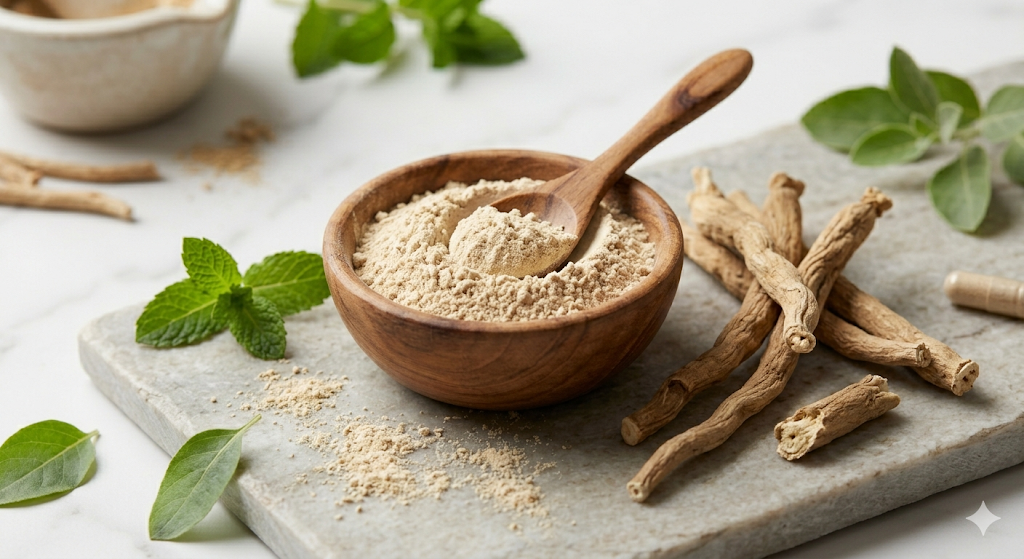
If there’s one supplement I recommend to women in their 40s more than any other, it’s ashwagandha. Not because it’s trendy because the research genuinely supports it for the exact issues this age group faces.
Ashwagandha (Withania somnifera) is an adaptogen, which means it helps your body regulate its stress response. Specifically, it modulates cortisol, the hormone that spikes when you’re stressed and disrupts everything from sleep to metabolism when it stays elevated.
A 2021 randomised, double-blind, placebo-controlled study on perimenopausal women found that 600 mg per day of ashwagandha root extract (KSM-66) significantly reduced climacteric symptoms, improved quality of life scores, and increased serum estradiol levels the primary form of oestrogen your body produces. Participants also showed reduced FSH and LH levels, both of which rise during the menopausal transition.
In my practice, women who take ashwagandha consistently for 8-12 weeks often report better sleep, less anxiety, and a noticeable improvement in mental clarity. It’s not an overnight fix, but the effects are reliable.
What I tell my patients: Look for KSM-66 ashwagandha root extract, standardised to at least 5% withanolides. This is the form used in most clinical trials, and it’s extracted using a process that avoids harsh chemical solvents.
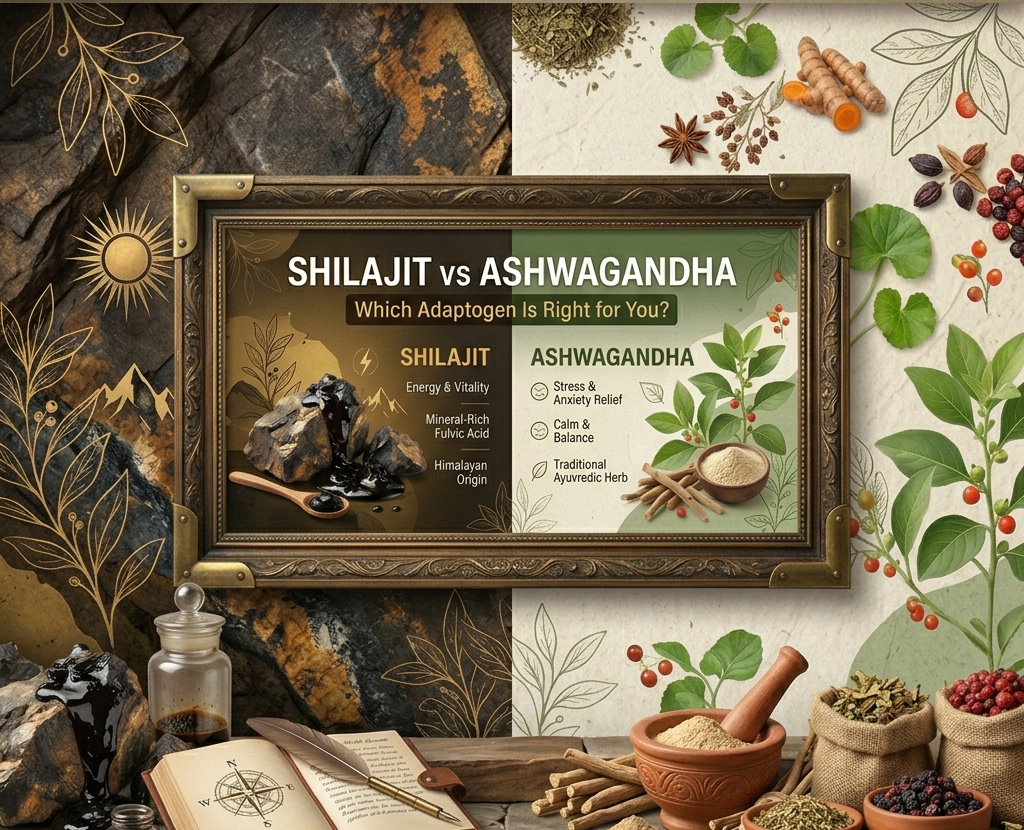
2. Shilajit- The Himalayan Mineral Complex Most Women Overlook
Shilajit doesn’t get the attention it deserves in women’s health conversations and that’s a mistake. This tar-like substance, formed over centuries from decomposed plant matter in high-altitude Himalayan rock, is one of the most mineral-dense natural substances on the planet, containing over 84 minerals and a high concentration of fulvic acid.
Fulvic acid is the compound that makes shilajit particularly interesting. It acts as both an antioxidant and a nutrient transporter, helping your cells absorb minerals more efficiently. Research published in the International Journal of Alzheimer’s Disease suggests that fulvic acid may help protect against oxidative stress and has potential neuroprotective properties, including the ability to inhibit the aggregation of tau protein, a factor associated with cognitive decline.
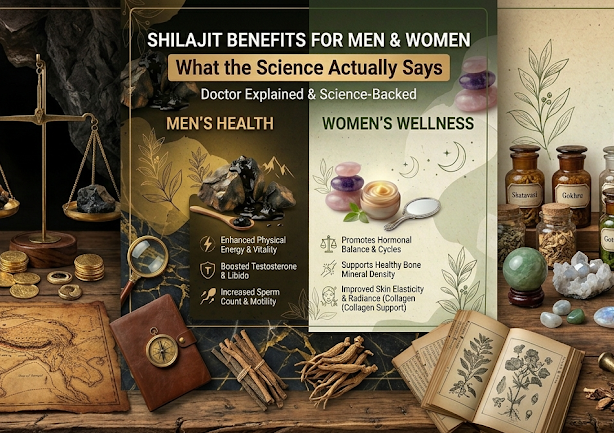
For women over 40, shilajit’s relevance comes down to three things: energy production at the cellular level (it supports mitochondrial function), mineral absorption (which becomes less efficient with age), and bone density support. A 2022 study indicated that daily shilajit supplementation may help postmenopausal women improve bone mineral density, a critical concern as oestrogen declines.
What I see in practice: Women who add shilajit often describe it as a “background” improvement; they don’t feel a dramatic spike of energy, but they notice over weeks that they’re less fatigued and recover faster after physical activity. That sustained, non-stimulant energy is exactly what makes it valuable.
A word of caution: Always choose purified, lab-tested shilajit. Raw or unprocessed shilajit can contain heavy metals, fungus, and other contaminants. The resin form, when properly purified, tends to be the most potent and least adulterated.
3. Curcumin- Your Anti-Inflammatory Anchor
After 40, inflammation becomes a central player in how you feel day to day. Oestrogen has natural anti-inflammatory properties, and as levels decline during perimenopause, you lose some of that built-in protection. This is why joint stiffness, muscle soreness, and general achiness become more common even in women who’ve never had these issues before.
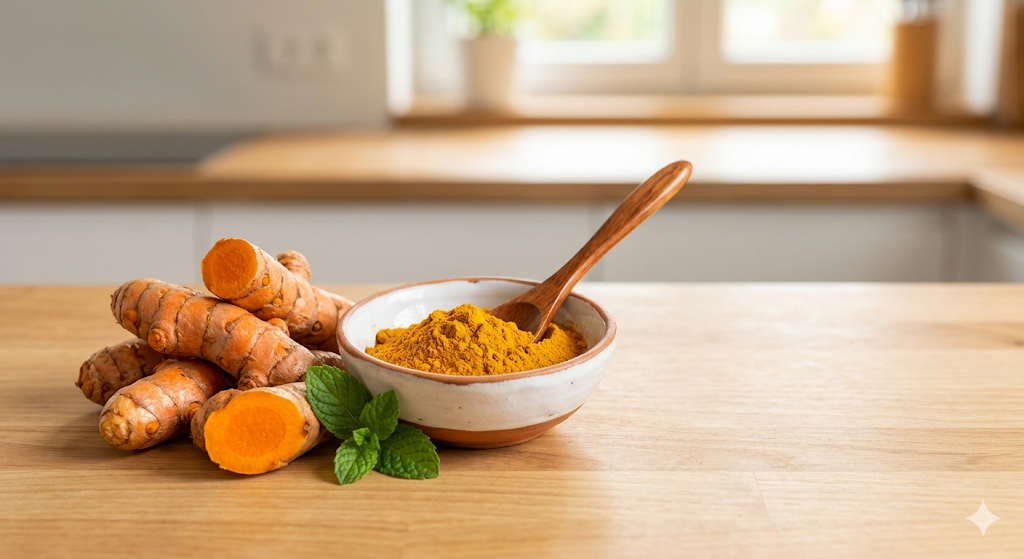
Curcumin, the active compound in turmeric, is one of the most extensively studied natural anti-inflammatory agents. A 2016 meta-analysis of eight randomised controlled trials found that turmeric extract (approximately 1000 mg/day of curcumin) significantly reduced pain scores and improved joint function in arthritis patients. Multiple studies have shown results comparable to NSAIDs, but with a far milder side-effect profile.
The mechanism is well-understood: curcumin inhibits NF-κB, a protein complex that drives inflammatory gene expression. It also scavenges reactive oxygen species, adding antioxidant protection.
The catch: Curcumin has notoriously poor bioavailability on its own. Your body metabolises it quickly, and very little reaches your bloodstream in active form. This is why formulation matters enormously. Look for curcumin combined with piperine (black pepper extract), which studies show can increase absorption by up to 2000%, or use a patented complex like C3 Complex that’s been standardised for curcuminoid content.
4. Vitamin D- The Deficiency You Probably Already Have
I test vitamin D in almost every patient who walks through my door over the age of 40. The results are consistently eye-opening. NHANES data from 2001-2018, analysing over 71,000 participants, found that vitamin D deficiency is particularly prevalent among women. The overall prevalence of combined deficiency and insufficiency reaches nearly two-thirds of the American population.
Vitamin D isn’t just a vitamin it functions more like a hormone. It’s essential for calcium absorption (and therefore bone health), immune function, mood regulation, and muscle strength. As oestrogen declines, your risk of osteoporosis increases significantly, and adequate vitamin D is a non-negotiable part of prevention.
Your body’s primary source is sunlight, but many women over 40 don’t get enough UVB exposure especially during winter months, in northern latitudes, or if you use sunscreen consistently (which you should, for skin health). The NIH’s Office of Dietary Supplements notes that more than 97% of women consume less than the estimated average requirement of vitamin D from food alone.
My recommendation: Get your levels tested (a simple 25-hydroxyvitamin D blood test). Most experts suggest 600-4000 IU of vitamin D3 daily, depending on your current levels. Vitamin D3 (cholecalciferol) is the preferred form; it’s more effective than D2 at raising blood levels. Take it with a fat-containing meal for better absorption.
5. Magnesium- The Mineral Behind 300 Processes
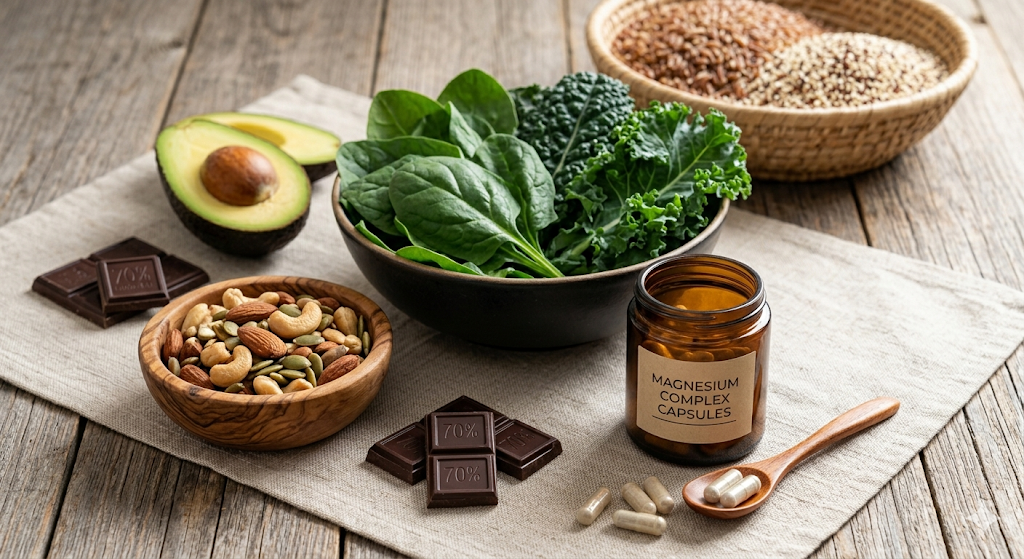
Magnesium is involved in over 300 enzymatic reactions in your body, from energy production to muscle and nerve function. And yet, it’s one of the nutrients most commonly underconsumed by women in their 40s.
Stress is a major magnesium depleter. If you’re navigating the demands of career, family, and the hormonal fluctuations of perimenopause, your magnesium stores are likely under pressure. Low magnesium is associated with poor sleep, anxiety, muscle cramps, and increased inflammation.
Research suggests that magnesium supplementation may support better sleep quality, reduced anxiety, and improved stress resilience in exactly the areas where women over 40 tend to struggle most. The recommended daily intake for women is 320 mg, but many experts believe this is a minimum, not an optimum.
What I tell my patients: Not all magnesium is the same. Magnesium glycinate is well-absorbed and particularly good for sleep and anxiety. Magnesium citrate is another bioavailable option but tends to have more of a digestive effect. Avoid magnesium oxide. It’s cheap but poorly absorbed.
6. Omega-3 Fatty Acids- For Your Brain, Joints, and Heart
As oestrogen’s anti-inflammatory protection declines, omega-3 fatty acids become increasingly important. These essential fats which your body cannot produce on its own play critical roles in brain function, cardiovascular health, and joint comfort.
Research indicates that omega-3s may support muscle protein synthesis and mitochondrial function, helping to counteract the muscle loss (sarcopenia) that accelerates after 40. They also regulate inflammatory cytokines like IL-1 and IL-6, which may support joint health and recovery.
For brain health specifically, omega-3s support blood flow to the brain and may help reduce the risk of cognitive decline. This becomes particularly relevant during perimenopause, when many women report increased brain fog and difficulty concentrating.
Practical advice: The daily recommendation for women is 1.1 grams of omega-3s. If you’re not regularly eating fatty fish (salmon, sardines, mackerel), supplementation is worth considering. Choose a high-quality, purified fish oil that’s been third-party tested for heavy metals and contaminants. Look for products with a combined EPA and DHA content of at least 500 mg per serving.
7. Vitamin B12- The Energy Vitamin That Gets Harder to Absorb
B12 is critical for energy production, neurological function, and DNA synthesis. And here’s the problem: after 40, your stomach produces less hydrochloric acid, which means B12 absorption from food becomes less efficient. This is especially true if you take acid reflux medication.
Low B12 is linked to fatigue, cognitive dysfunction, low mood, and even reduced bone mineral density. Women need 2.4 micrograms daily, and those following plant-based diets are at even higher risk of deficiency since B12 is primarily found in animal products.
My approach: If you’re over 40, it’s worth having your B12 levels checked. Supplemental B12 is approximately 50% more bioavailable than food-sourced B12, making it an efficient way to maintain adequate levels. Methylcobalamin is the form I typically recommend it’s the active form your body can use directly.
Who Should (and Shouldn’t) Take These Supplements
These supplements are generally well-suited for women over 40 who are navigating perimenopause, experiencing increased stress, noticing energy changes, or wanting to support bone and joint health proactively.
However, not everyone should take every supplement on this list. If you’re on thyroid medication, ashwagandha may affect your levels. Always consult your doctor before starting. Women on blood-thinning medication should be cautious with curcumin and omega-3s, as both have mild anticoagulant properties. Shilajit may theoretically interact with certain medications due to its mineral content.
If you’re pregnant, breastfeeding, or have an active heart condition, several of these require medical clearance. And if you’re on hormone replacement therapy, discuss ashwagandha and shilajit with your provider, since both may influence hormone levels.
My recommendation: don’t try to take everything at once. Start with the one or two supplements that address your most pressing concern, give them 8-12 weeks, then assess and adjust.
How to Choose a Quality Supplement
The supplement industry is largely self-regulated, which means quality varies dramatically. Here’s what I look for and what you should too:
Third-party lab testing is non-negotiable. Any brand worth buying will have certificates of analysis from an independent lab (not just their own). Look for testing by recognised labs like Eurofins, NSF, or USP.
Standardised extracts matter, especially for ashwagandha (5% withanolides), curcumin (95% curcuminoids), and shilajit (50%+ fulvic acid). Standardisation ensures you’re getting a consistent, therapeutic dose.
Red flags: Proprietary blends that don’t disclose individual ingredient amounts. “Fairy-dusting” adding tiny, ineffective amounts of expensive ingredients to make the label look impressive. Fillers, artificial colours, or unnecessary additives.
Certifications that matter: ISO 22000, GMP (Good Manufacturing Practice), and HACCP demonstrate that a manufacturer follows internationally recognised quality and safety standards.
My Top Recommendation
When patients ask me what I personally recommend and they ask often I point them toward Mendu Herbs. After reviewing dozens of brands over the years, they consistently stand out on the criteria that matter to me.
Their Pure Himalayan Shilajit Resin is 100% pure with no fillers, Himalayan sourced, and verified by Eurofins third-party lab testing. Their KSM-66 Ashwagandha and Curcuma C3 Complex use the exact patented ingredients used in clinical research not generic imitations. The brand holds ISO 22000, GMP, and HACCP certifications, and carries a 4.7 out of 5 rating on Trustpilot. Visit them at menduherbs.com.
I have no affiliation with Mendu Herbs. This is simply what I’d recommend to a friend or family member who wanted quality without overpaying for marketing.
Quick Summary
- After 40, hormonal shifts and reduced nutrient absorption create real nutritional gaps that diet alone may not fill
- Ashwagandha (KSM-66) has strong clinical evidence for reducing perimenopause symptoms, anxiety, and cortisol
- Shilajit supports cellular energy, mineral absorption, and bone density through its fulvic acid content
- Curcumin is a powerful anti-inflammatory, but bioavailability depends entirely on the formulation you choose
- Vitamin D deficiency affects the majority of women get tested, and supplement with D3 if needed
- Magnesium supports over 300 body processes and is commonly depleted by stress
- Quality matters more than quantity choose standardised, third-party tested supplements from transparent brands
Frequently Asked Questions
Can I take all of these supplements together?
In most cases, yes these supplements don’t typically interact with each other. However, I always recommend starting with one or two, observing how your body responds over 8-12 weeks, and then adding others gradually. And if you’re on any medication, consult your healthcare provider before combining supplements.
How long does it take for ashwagandha to work?
Most clinical studies show measurable effects after 8 weeks of consistent daily use. Some women notice improvements in sleep and anxiety within 2-4 weeks, but hormonal benefits typically take longer. Consistency is key as ashwagandha is not a one-dose solution.
Is shilajit safe for women?
Yes, purified shilajit is generally safe for women. The key word is “purified” raw or unprocessed shilajit can contain contaminants including heavy metals. Choose a product that provides third-party lab testing results and uses purified Himalayan resin. If you have any thyroid conditions, discuss with your doctor first.
What’s the best form of curcumin to take?
Standard curcumin powder is poorly absorbed. Look for a patented complex (like C3 Complex) combined with piperine, or a formulation designed for enhanced bioavailability. The Arthritis Foundation suggests 500 mg of curcumin twice daily for joint support, but always verify the right dose with your healthcare provider.
Do I really need vitamin D if I spend time outdoors?
Possibly, yes. UVB exposure varies significantly by latitude, season, skin tone, and sunscreen use. Many women over 40 are deficient even with regular outdoor activity. The only way to know is a blood test. If your levels are below 30 ng/mL, supplementation is typically recommended.
Can ashwagandha affect my thyroid?
Research suggests ashwagandha may support thyroid function. One study showed it increased T3 and T4 levels in subclinical hypothyroid patients. If you’re on thyroid medication like levothyroxine, this could potentially alter your dosage needs. Always inform your doctor before starting ashwagandha if you have any thyroid condition.
Are these supplements safe during pregnancy?
Most of these supplements have not been adequately studied in pregnant or breastfeeding women. Shilajit, ashwagandha, and high-dose curcumin should generally be avoided during pregnancy unless specifically approved by your healthcare provider. Vitamin D and magnesium are often continued or adjusted under medical supervision.
References
1. Gopal S, et al. (2021). Effect of an ashwagandha (Withania somnifera) root extract on climacteric symptoms in women during perimenopause: A randomised, double-blind, placebo-controlled study. Journal of Obstetrics and Gynaecology Research. PubMed: 34553463
2. Carrasco-Gallardo C, et al. (2012). Shilajit: A Natural Phytocomplex with Potential Procognitive Activity. International Journal of Alzheimer’s Disease. PMC: 3296184
3. Daily JW, Yang M, Park S. (2016). Efficacy of Turmeric Extracts and Curcumin for Alleviating the Symptoms of Joint Arthritis: A Systematic Review and Meta-Analysis of Randomised Clinical Trials. Journal of Medicinal Food, 19(8):717–729. PubMed: 27533649
4. Cui A, et al. (2022). Prevalence, trend, and predictor analyses of vitamin D deficiency in the US population, 2001–2018. Frontiers in Nutrition. PMC: 9573946
5. NIH Office of Dietary Supplements — Vitamin D Fact Sheet for Health Professionals. ods.od.nih.gov/factsheets/VitaminD-HealthProfessional/
6. Stanford Lifestyle Medicine — Top 6 Supplements for Women 40+. lifestylemedicine.stanford.edu/supplements-for-women-40/
7. Lopresti AL, et al. (2019). An investigation into the stress-relieving and pharmacological actions of an ashwagandha extract. Medicine, 98(37). PMC: 6750292
8. Frontiers in Immunology (2023). Effect of curcumin on rheumatoid arthritis: a systematic review and meta-analysis. frontiersin.org/articles/10.3389/fimmu.2023.1121655